The April edition of Astronomy Now magazine.
Under the 'Picture Gallery' section... whoopee!!! :-)


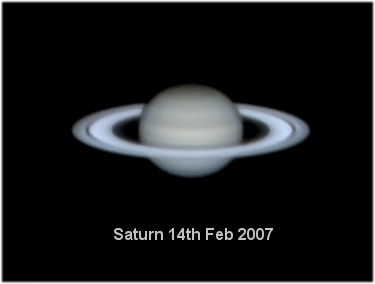
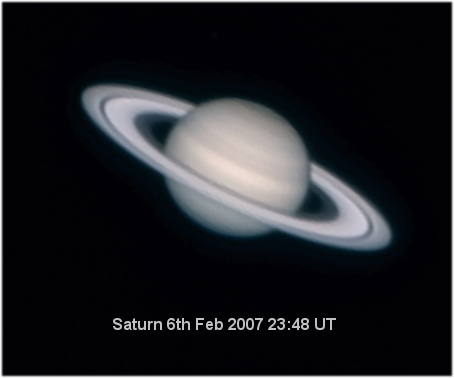
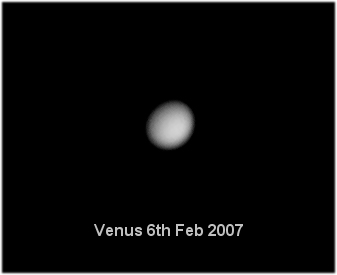
 Slightly better seeing tonight.
 Fair seeing tonight. Just managed to squeeze this out in between the clouds ;-)
 Here's a small portion of video from my best Saturn to date, just to show you what the seeing conditions were like.

 Here is a short video showing the first half of last nights Lunar eclipse.
Using a Canon Powershot handheld at a 32mm EP.
Using Paintshop Pro to collate and align the images and Sony Vegas to produce the video.
DivX format.


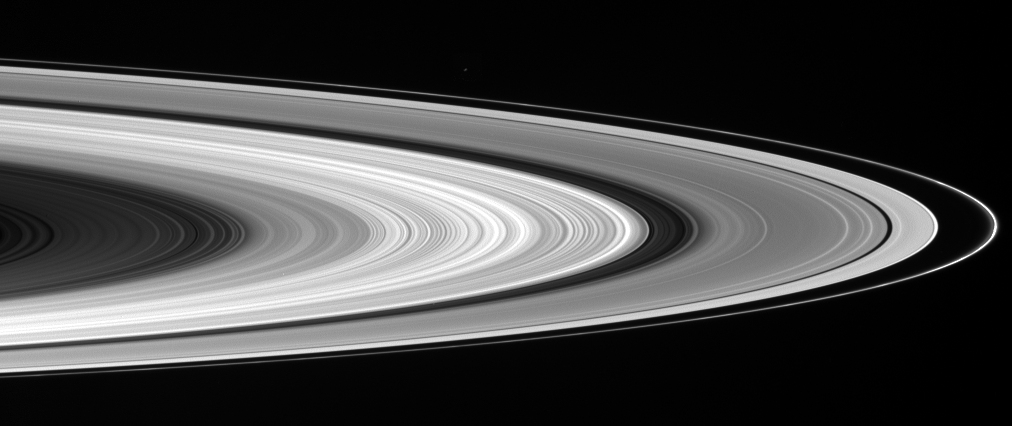
 This view is a mosaic of 36 images -- that is, 12 separate sets of red, green and blue images -- taken over the course of about 2.5 hours, as Cassini scanned across the entire main ring system.


 Click on image to see a small portion of video from the Clavius capture the other night
 4 image mosaic, 2.5x Powermate.


 The New Horizons Long Range Reconnaissance Imager took this 2-millisecond exposure of Jupiter at 04:41:04 UTC on January 24, 2007. The spacecraft was 57 million kilometers (35.3 million miles) from Jupiter, closing in on the giant planet at 41,500 miles (66,790 kilometers) per hour. At right are the moons Io (bottom) and Ganymede; Ganymede's shadow creeps toward the top of Jupiter's northern hemisphere.
 True-colour image of Mars seen by OSIRIS.
 Here's a lovely image from the Cassini website showing the south pole.


 Re-processed using MAP processing in Registax 4. 5 Alignment points, 2000 frames. Re-sampled at 1.5 times.
 Here are the photo's that I took whilst cleaning my corrector plate. I used the instructions on the Starizona website, and it worked great. Only took a few minutes.
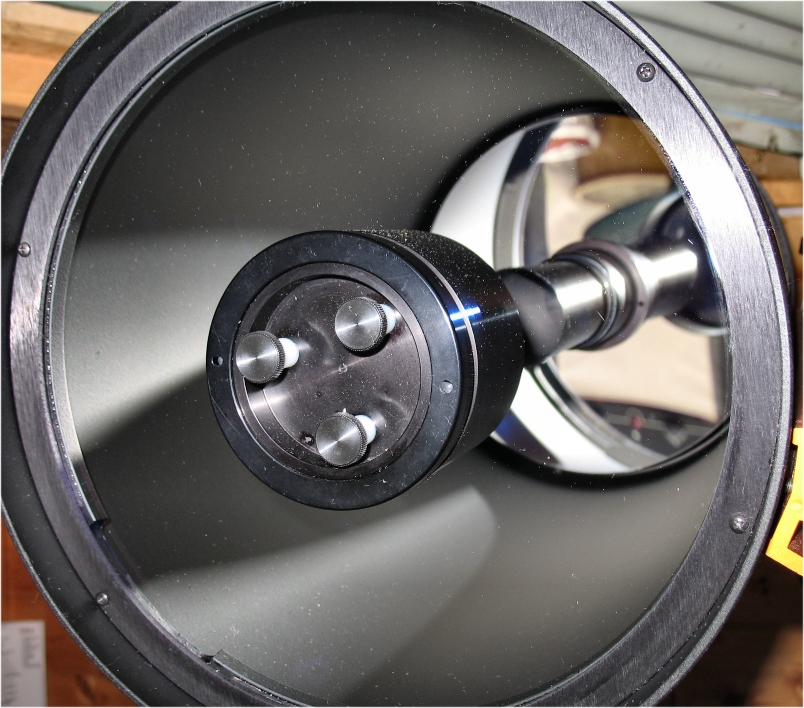
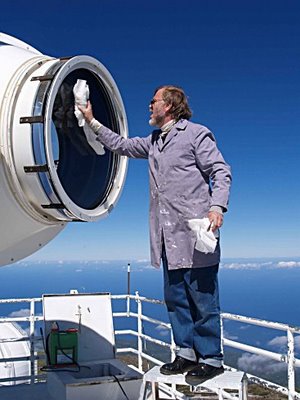 Here's a good site telling you how to clean your optics... I'll be doing this soon (my corrector plate is a mess), so I'll tell you how I get on.
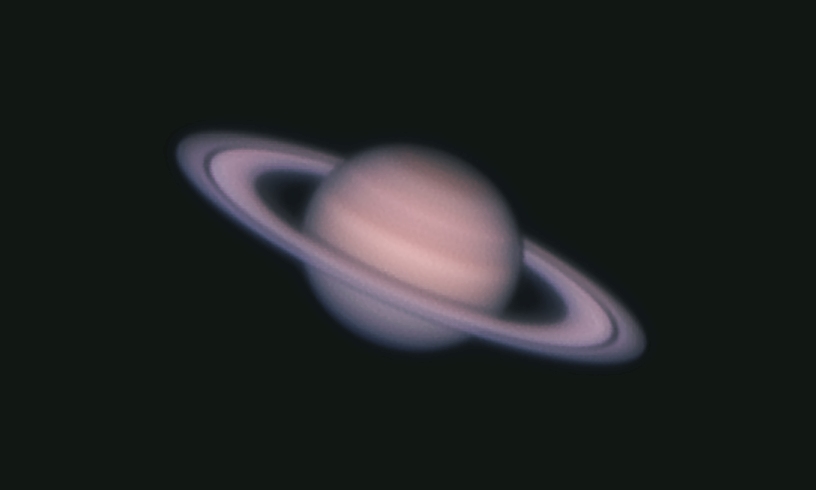 I was really lucky with the seeing last night. I came back out after midnight to do some more imaging, and the seeing was good. By the time I took this last AVI the seeing was very good, but soon after it went back to good and then bad. And that was it. ;-)
 Top image; 4x Imagemate and barlow extension tube.
 4x Imagemate.
 5fps
5fps


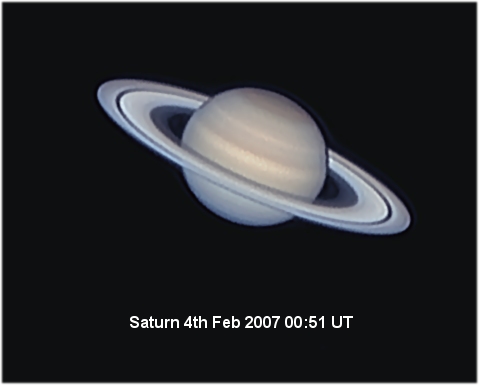
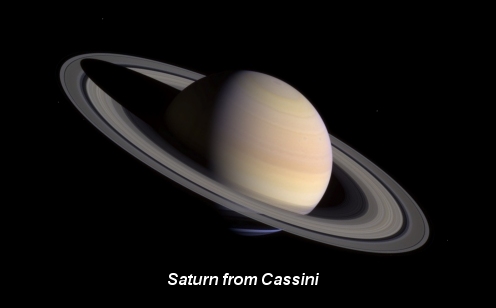 Saturn from the Cassini spacecraft.